
by admin | 1, Dec 2024 | Health
Introduction
In the age of individualism, the significance of community in fostering health and wellness has never been more vital. Historically, communities provided not just social bonds but also frameworks for health, safety, and well-being. In today’s fragmented world, understanding how to leverage community for personal health is crucial.
1. Community and Mental Health
A sense of belonging:
- Social Connection: Strong community ties are linked with lower rates of depression and anxiety.
- Validation and Support: Communities offer a space for validation, reducing feelings of isolation.
2. Physical Health and Community
Promoting an active lifestyle:
- Group Activities: Encouraging participation in sports, group walks, or fitness classes.
- Safe Spaces: Communities can provide safe environments for physical activities, particularly for children and the elderly.
3. Community as a Stress Buffer
Support systems:
- Shared Burdens: Communities can distribute stress among many, making it more manageable.
- Collective Resilience: Celebrating together, mourning together, and overcoming challenges as a group build resilience.
4. The Power of Collective Health Initiatives
Strength in numbers:
- Health Campaigns: Communities can organize campaigns for vaccinations, screenings, or health checks.
- Public Health Impact: Collective action can lead to improved sanitation, nutrition, and reduced substance misuse.
5. Nutritional Benefits in Community Settings
Food and community:
- Shared Kitchens: Cooking together can lead to healthier eating habits through shared recipes and resources.
- Community Gardens: These provide fresh produce, educational opportunities, and a sense of accomplishment.
6. Emotional Intelligence and Community
Growing through interaction:
- Empathy: Living in community teaches us to understand and share the feelings of others.
- Conflict Resolution: Regular interaction with diverse people hones skills in conflict resolution and cooperation.
7. The Role of Technology in Modern Communities
A double-edged sword:
- Virtual Communities: Online groups can offer support, especially for those with niche interests or conditions.
- Balance: It’s important to balance virtual with physical interactions to maintain social skills and emotional connections.
8. Community Wellness Programs
A blueprint for health:
- Types: Fitness challenges, health workshops, mindfulness groups, etc.
- Starting Points: From local libraries to churches or through community centers, there are many avenues to begin.
9. Overcoming Social Isolation
Building bridges:
- Meetups: Regular gatherings, hobby groups, or clubs can reintegrate individuals into community life.
- Intergenerational Programs: These can bridge gaps between ages, providing support and learning opportunities.
10. Community Education and Awareness
Knowledge sharing:
- Health Literacy: Community workshops can educate on health topics, from nutrition to mental health.
- Preventive Measures: Education can lead to better health outcomes by fostering preventive health behaviors.
11. The Challenges of Community Wellness
Inclusivity and access:
- Barriers: Transportation, language, cultural differences, and financial constraints can limit participation.
- Solutions: Tailoring programs to be more inclusive, offering transport, and providing multiple language options can help.
12. Conclusion
Community is a powerful ally in health and wellness. It provides emotional support, encourages healthy behaviors, and can be a platform for education and collective action. By engaging with our communities, we not only enrich our lives but also contribute to a healthier society.
Call to Action
This month, take a step towards community wellness. Join a local book club, start a walking group, or propose a community garden project. Share your experiences or start a conversation about building a healthier, more connected community. Remember, health isn’t just personal; it’s communal.

by admin | 1, Dec 2024 | Health
Introduction
Anxiety, while a normal part of life, can become overwhelming and disrupt daily activities. As awareness around mental health grows, so does the interest in natural and holistic methods to manage anxiety symptoms alongside or in place of medication.
1. Understanding Anxiety
Anxiety isn’t just feeling worried; it’s an excessive, persistent worry that interferes with daily life:
- Types: Generalized Anxiety Disorder, Social Anxiety, Panic Disorder, and more.
2. Natural Approaches to Anxiety
Many seek natural remedies for various reasons:
- Fewer Side Effects: Natural methods often have fewer side effects than pharmaceuticals.
- Holistic Health: They aim to treat the whole person, not just the symptom.
3. Diet and Anxiety
Nutrition plays a role in mental health:
- Omega-3 Fatty Acids: Found in fish, they can help reduce anxiety.
- Magnesium: Present in leafy greens, nuts, and seeds, it’s known for its calming effects.
- Probiotics: A healthy gut can lead to a calmer mind due to the gut-brain axis.
4. Exercise as Therapy
Exercise is a natural anti-anxiety treatment:
- Endorphin Release: Physical activity boosts endorphins, which act as natural painkillers and mood elevators.
- Types: Yoga, running, swimming, or even walking can alleviate anxiety.
5. Herbal Remedies
Herbs have been used for centuries:
- Lavender: Known for its calming properties, often used in teas or aromatherapy.
- Ashwagandha: An adaptogen that may help the body manage stress.
- Kava: Note: Kava has potential liver risks and should be used cautiously.
6. Mindfulness and Meditation
Mindfulness practices:
- Mindfulness-Based Stress Reduction (MBSR): A program specifically designed to reduce anxiety.
- Daily Meditation: Even short sessions can help in recognizing and reducing the cycle of anxious thoughts.
7. Breathing Exercises
Breathwork can be instantly calming:
- 4-7-8 Breathing: Inhale for 4 seconds, hold for 7, exhale for 8.
- Box Breathing: Inhale, hold, exhale, and hold again, each for 4 counts.
8. Cognitive Behavioral Techniques
CBT helps change thought patterns:
- Thought Diaries: Logging anxious thoughts and challenging their validity.
- Exposure Therapy: Gradually facing fears to reduce anxiety.
9. Aromatherapy
Essential oils can impact mood:
- Lavender: Promotes relaxation.
- Bergamot: May reduce stress and improve mood.
10. Sleep and Anxiety
Better sleep can reduce anxiety:
- Valerian Root: Often used as a natural sleep aid.
- Chamomile: Can help with both sleep and anxiety.
11. Social Support and Community
Social interaction can be therapeutic:
- Support Groups: Sharing experiences can normalize feelings and provide coping strategies.
- Community Engagement: Volunteering or joining clubs can offer a sense of purpose and reduce loneliness.
12. When to Seek Professional Help
It’s crucial to recognize when self-help isn’t enough:
- Severity: If anxiety is debilitating or leads to other issues like depression.
- Professional Guidance: Therapists can provide tools and strategies beyond self-help.
13. Conclusion
Managing anxiety naturally involves a multi-faceted approach, from what we eat, to how we move, to how we think and breathe. These methods can be used alongside traditional treatments or as a first line of defense for mild anxiety.
Call to Action
This week, try integrating one new natural technique into your routine, whether it’s dietary change, a new exercise, or a mindfulness practice. Document your experience, and don’t hesitate to discuss your journey with a community or support group. Remember, while natural remedies can be incredibly supportive, they are not a one-size-fits-all solution, and professional guidance might sometimes be necessary.

by admin | 1, Dec 2024 | Health
Introduction
Laughter is as old as humanity itself, transcending cultures and languages. It’s a universal sign of joy, but beyond its social function, laughter has profound health benefits rooted in science.
1. The Physiology of Laughter
When we laugh, our body goes through a series of changes:
- Muscle Activation: Laughter engages numerous muscles from the face down to the abdomen.
- Respiratory System: It involves deep breathing, which increases oxygen intake.
- Endorphin Release: Laughter triggers the release of endorphins, the body’s natural feel-good chemicals.
2. Laughter and the Brain
Laughter affects brain function:
- Neural Pathways: It stimulates areas responsible for reward, learning, and emotion.
- Mood Improvement: Laughter increases levels of dopamine and serotonin, which can lift mood and combat depression.
3. Laughter as Medicine
Laughter therapy has been recognized:
- Pain Reduction: It can elevate pain thresholds by releasing natural painkillers.
- Stress Reduction: Laughter reduces the level of stress hormones like cortisol and adrenaline.
4. Immune System and Laughter
There’s evidence suggesting:
- Immune Response: Laughter may increase the production of immune cells and antibodies.
- Infection Resistance: Laughter might help fight infections by boosting immune function.
5. Laughter and Heart Health
For the cardiovascular system:
- Blood Flow: Laughter improves vascular function and increases blood flow, which can help protect against heart attacks and cardiovascular diseases.
- Blood Pressure: It can lower blood pressure by reducing the release of stress hormones.
6. Social Bonding Through Laughter
Laughter fosters:
- Social Connection: Shared laughter strengthens relationships and group cohesion.
- Community Health: Laughter clubs and social laughter can lead to a healthier community environment.
7. Laughter Yoga and Practices
Laughter yoga, founded by Dr. Madan Kataria, combines:
- Yoga Breathing: With voluntary laughter to gain benefits even without genuine humor.
- Structured Sessions: Designed to bring about the same physiological and psychological benefits as spontaneous laughter.
8. Incorporating More Laughter
To add more laughter to daily life:
- Media Consumption: Watch funny movies, shows, or stand-up comedy.
- Social Activities: Surround yourself with people who make you laugh.
- Laughter Exercises: Practice laughter yoga or simply laugh for no reason.
9. The Dark Side of Laughter
It’s important to acknowledge:
- Negative Laughter: Not all laughter is beneficial; mocking or nervous laughter can have negative social implications.
- Sensitivity: Being mindful of when and where humor is appropriate.
10. Conclusion
Laughter is not just a reaction to humor but a powerful tool for enhancing health. Its benefits span physical, mental, and social well-being, making it a potent form of medicine.
Call to Action
Try this for a week:
- Laugh Daily: Make a conscious effort to find something to laugh about each day.
- Laughter Sharing: Share your laughter with others, either in person or through social media.
- Document Laughter: Keep a laughter journal to note what made you laugh and how you felt afterwards.
Let’s use laughter to improve our health naturally, and share the joy with those around us.

by admin | 1, Dec 2024 | Health
Introduction
In an era where digital devices are omnipresent, the concept of a digital detox—intentionally disconnecting from electronic devices to reduce stress or focus on social interaction in the physical world—has gained traction. As our lives become increasingly intertwined with technology, taking a step back can be profoundly beneficial.
1. The Overload of Digital Stimulation
Our brains are not wired to handle the continuous influx of information and notifications:
- Attention Fragmentation: Constant interruptions lead to decreased focus.
- Mental Health: Studies link excessive screen time with increased anxiety, depression, and sleep disturbances.
2. Benefits of a Digital Detox
Taking a break from digital devices can:
- Promote Mindfulness: Being present in the moment without digital distractions.
- Enhance Creativity: Giving your mind space to wander and think freely.
- Improve Sleep: Reducing screen time before bed can lead to better sleep quality.
3. How to Conduct a Digital Detox
Planning is key:
- Set Goals: Determine what you want to achieve with your detox.
- Choose a Time Frame: From a few hours to a weekend or more.
- Inform Others: Let friends, family, and colleagues know your plans.
Levels of Detox:
- Mild: Limit social media or email checks.
- Moderate: No screens after a certain time, perhaps after dinner.
- Extreme: A complete break from all digital devices.
4. Practical Tips for Digital Detox
- Create Tech-Free Zones: Designate areas like the bedroom or dining room as no-device zones.
- Substitute Activities: Replace screen time with reading, hobbies, outdoor activities, or meditation.
- Mindful Use: If you must use technology, do so with intention and purpose.
5. The Impact on Personal Relationships
A digital detox can lead to:
- Deeper Connections: More meaningful conversations and interactions.
- Quality Time: Spending uninterrupted time with loved ones.
6. Workplace and Digital Detox
Even at work, digital detox principles can apply:
- Scheduled Breaks: No emails or digital communication during specific times.
- Email Management: Set times to check emails rather than reacting to every notification.
7. Long-Term Digital Hygiene
Sustainable habits include:
- Screen Time Limits: Use device settings to limit app usage.
- Digital Minimalism: Curate your digital life to include only what adds value.
8. Dealing with Withdrawal Symptoms
Expect some initial discomfort:
- Anxiety: Feeling anxious without constant connection.
- FOMO: Combatting the fear of missing out with mindfulness.
9. Stories from Successful Digital Detoxers
- Anecdote: Someone who rediscovered their love for painting after a week without digital distractions.
- Case Study: A family that implemented weekly digital-free evenings and noticed improved family dynamics.
10. Conclusion
Digital detox isn’t about rejecting technology but about regaining control over how it integrates into our lives. By occasionally unplugging, we can come back to our digital engagements with more focus, creativity, and balance.
Call to Action
Challenge yourself to a 24-hour digital detox. Notice how it feels to be away from screens. Share your experience, or join a community challenge aimed at reducing digital dependency. Remember, the goal isn’t to shun technology but to use it in a way that enhances, not diminishes, our quality of life.
by admin | 1, Dec 2024 | Health
Introduction
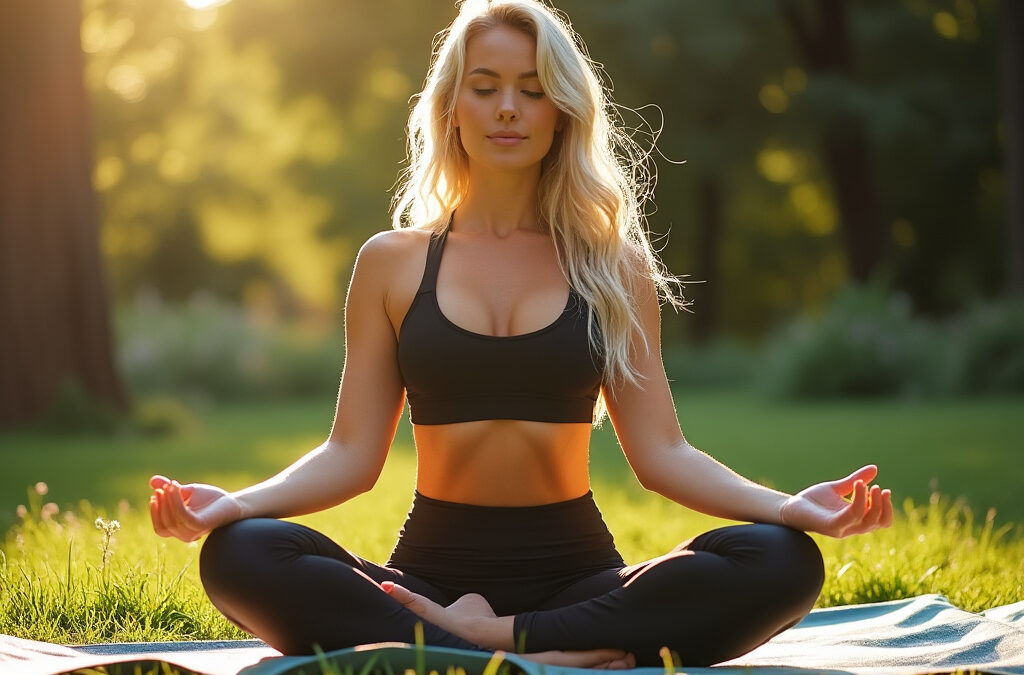
Yoga, an ancient practice with roots in India, has transcended cultural boundaries to become a global phenomenon, particularly for its benefits to mental health. Beyond its physical postures, yoga encompasses breathing techniques, meditation, and a philosophy that promotes mindfulness, which can significantly impact mental well-being.
1. Yoga and Stress Reduction
Stress is a common ailment in modern life, and yoga offers a natural antidote. The practice encourages the body to move into a state of relaxation through:
- Deep Breathing: Techniques like Pranayama help activate the parasympathetic nervous system, which calms the mind.
- Mindfulness: Yoga encourages being present, focusing on the moment, which can alleviate the rumination that fuels stress.
2. Anxiety Management Through Yoga
Yoga has specific postures that are known to reduce anxiety:
- Child’s Pose (Balasana): Promotes a sense of calm and safety.
- Corpse Pose (Savasana): Allows for complete relaxation and mental release.
Meditation, often included in yoga sessions, helps in managing anxiety by fostering a meditative state where one can observe thoughts without judgment.
3. Depression and Yoga
For those dealing with depression, yoga can be a supplementary practice:
- Physical Activity: The physical aspect of yoga boosts endorphins, the body’s natural mood elevators.
- Mindfulness: Yoga teaches the practitioner to stay in the present, which can interrupt the cycle of negative thinking.
4. Enhancing Emotional Regulation
Yoga not only deals with physical flexibility but also emotional flexibility:
- Self-Awareness: Through poses and meditation, practitioners gain insight into their emotional states.
- Control: Techniques learned in yoga can help in managing emotional responses more effectively.
5. Social Aspects of Yoga
The community aspect of attending yoga classes can be incredibly beneficial:
- Support Network: Regular attendees often form bonds that provide emotional support.
- Motivation: Group settings can enhance motivation to continue practice, which is beneficial for mental health.
6. Yoga for PTSD
For individuals with PTSD:
- Gentle Yoga: Poses that are gentle and restorative can help in regulating the nervous system.
- Trauma-Sensitive Yoga: Designed to empower survivors by giving them control over their body movements.
7. Improving Sleep Quality
Yoga can improve sleep through:
- Relaxation Practices: Evening yoga routines can prepare the body for rest.
- Restorative Poses: Poses like Legs Up the Wall (Viparita Karani) can induce deep relaxation.
8. Yoga’s Neurological Benefits
Neuroscientific research indicates:
- Brain Plasticity: Yoga can help in altering brain structure, particularly areas related to stress response.
- Improved Function: Regular practice might lead to better memory, focus, and cognitive function.
9. Incorporating Yoga Into Daily Life
To integrate yoga:
- Start Small: Even a few minutes of yoga each day can be beneficial.
- Be Consistent: Consistency is key in reaping mental health benefits.
10. Conclusion
Yoga’s holistic approach to health makes it an excellent tool for mental wellness. It’s not just about the physical poses but about cultivating a practice that nurtures the mind, body, and spirit.
Call to Action
Try the Mountain Pose (Tadasana) at home, feeling grounded and centered. Explore classes in your community or online for different yoga styles to find what resonates with you for mental peace.